
Railroad

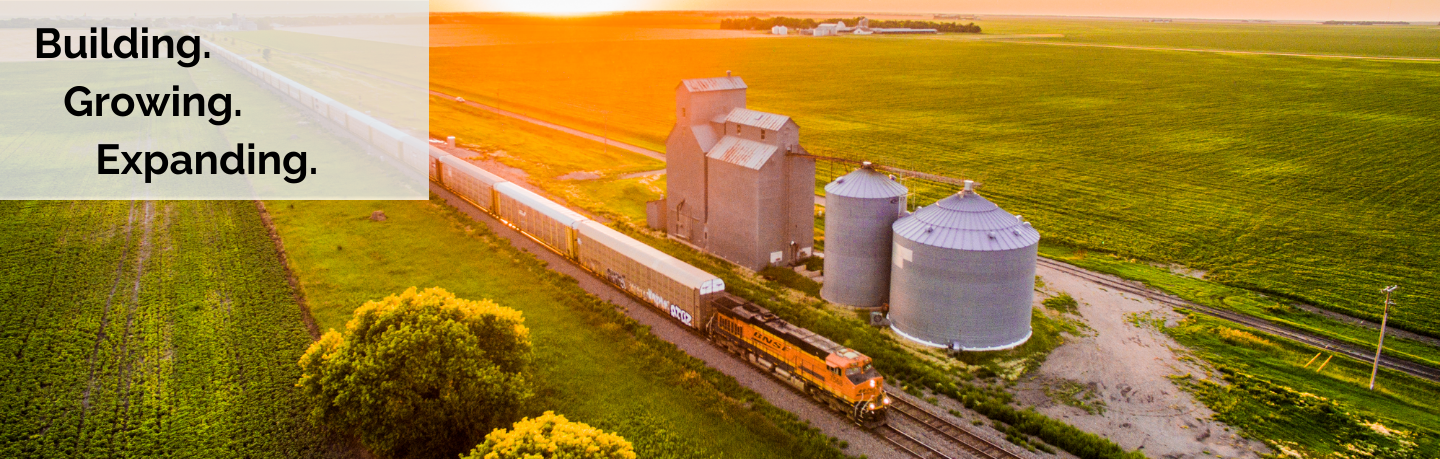
railroadThe steam locomotive is a symbol of Willmar’s proud past.  Even as automobiles and aircraft proliferated in the mid-20th century, trains carrying passengers and freight fueled Willmar’s growth.  Today, Burlington Northern Santa Fe Railway (BNSF) continues to have a major switching yard in Willmar handling the area’s freight, with the mainline connecting Chicago with the Pacific coastal states.

Locomotive 2523, built in 1916, has been a permanent exhibit at the Kandiyohi County Historical Society since 1967.  The steam engine’s last run was in 1958 and is one of 28 locomotives built for Great Northern by the Baldwin Locomotive Works.  The county museum’s entry building is the former Kandiyohi railroad station and consists of the waiting room, ticket office with its telegraphic equipment and former baggage room.

Our Railroad Statistics:

  • BNSF Railway employs approximately 215 people at the local station
  • BNSF has three lines out of the Willmar rail yard (Minnesota Comprehensive Statewide Freight and Passenger Rail Plan Draft Memorandum July 2009)
    • Marshall Subdivision runs from Willmar to the Iowa border continuing to Sioux City and sees around 14 trains a day
    • Morris Subdivision runs from Willmar to East Breckenridge and sees around 12 trains a day
    • Wayzata Subdivision runs from Harrison Street in Minneapolis to Willmar where it connects with the Morris and Marshall Subdivisions and sees around 15 trains a day

Our Railroad History:

  • The first train to come to Kandiyohi County from the Twin Cities was pulled by the Wm. Crooks locomotive and arrived in Willmar New Year’s Eve 1869
  • St. Paul & Pacific Railroad was the first railway company in Kandiyohi County and later became part of James J. Hill’s Great Northern Railway
  • Many Willmar streets are named after railroad officials:  Litchfield, Trott, Willmar and Becker; Atlantic and Pacific, one on each side of the tracks, were also standard street names in railroad towns
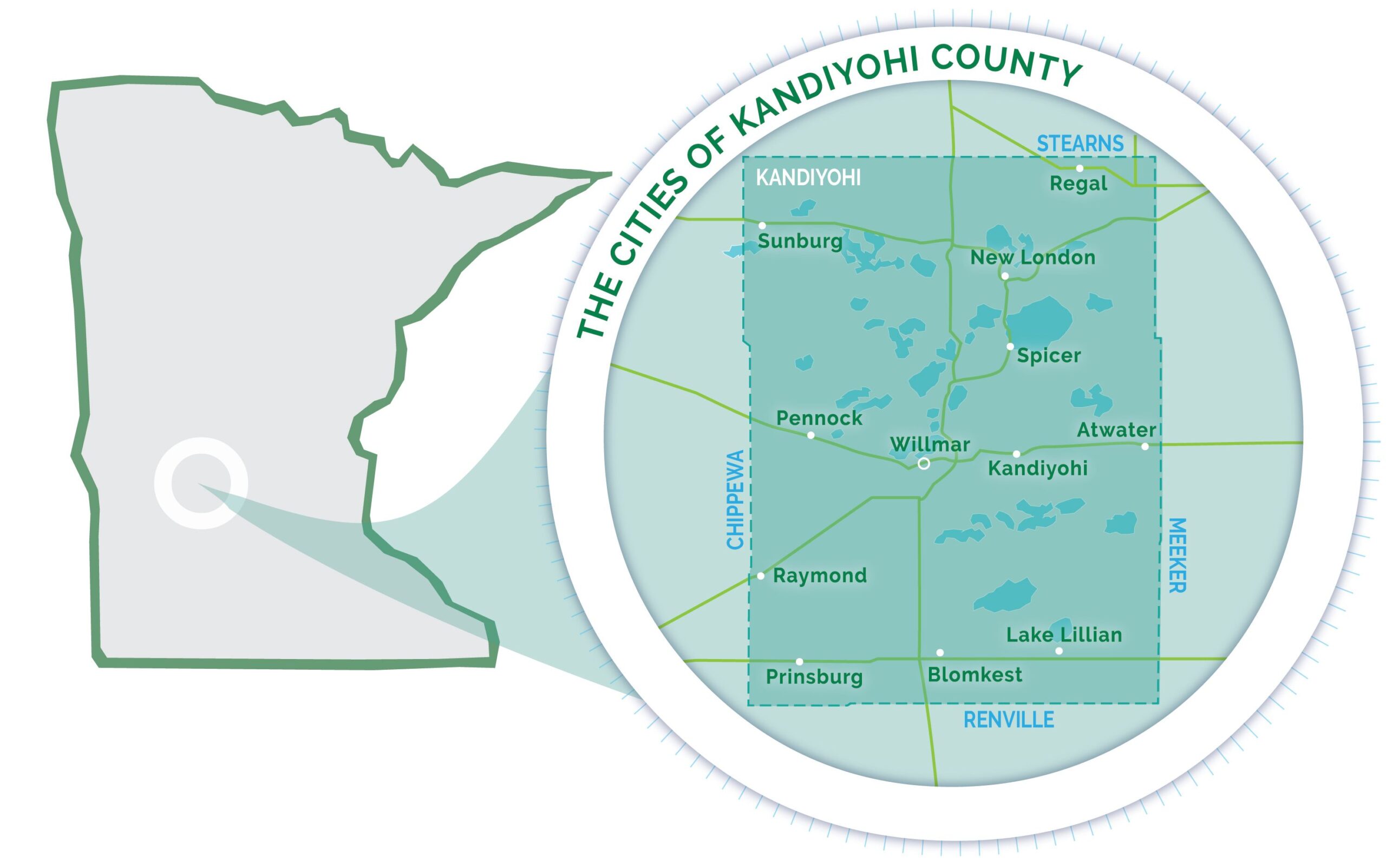
  • The communities of Atwater, Pennock and Willmar were named after St. Paul & Pacific Railroad officials
  • The community of Spicer was named after J. M. Spicer, who was instrumental in establishing the north-south line in the county and Raymond was named after his son
  • In the southern part of Kandiyohi County the Luce Line came through in the 1920s and the towns of Thorpe, Lake Lillian, Blomkest and Roseland were formed (or moved) to be located on the railroad line
  • A great train wreck between Atwater and Kandiyohi in June 1882 took the lives of 13 men and injured 19; a mass grave for the unclaimed bodies of the railroad construction workers is in Fairview Cemetery in Willmar
  • After tracks were laid in Spicer in the fall of 1886, train service quickly developed Green Lake into a well-known tourist area with excursion trains coming from Willmar, Sioux City, Sioux Falls, St. Cloud and the Twin Cities
  • Great Northern Railroad used Green Lake ice for water in its dining cars